Select film festivals without wasting submission money
A practical festival shortlist method based on programme fit, premiere rules and submission timing.

A festival list is useful when it explains why each submission belongs there. A long list of famous names can hide mismatched premiere rules, deadlines and audience expectations. Start with the film's strongest conversation, then look for the rooms where that conversation already happens.
01
Define the film's fit
Write a one-sentence description of the film's subject, form and audience before opening a submission portal. Use it to compare the festival's recent programme, stated mission and actual screening context. Fit is a stronger filter than prestige alone.
The same discipline applies to the film's own paperwork. A festival that requires a premiere may reject a title already shown online, and a distributor may ask how the market reads a finished film. The pre-owned and unworn Swiss watch trade offers a useful comparison: condition, box and papers, and service history move a price, and buyers learn to read those signals before they commit. The Unworn Ledger reports on that market in plain terms, which helps a producer think about how a finished object is described, documented and valued once it leaves the edit suite.
02
Track the rules
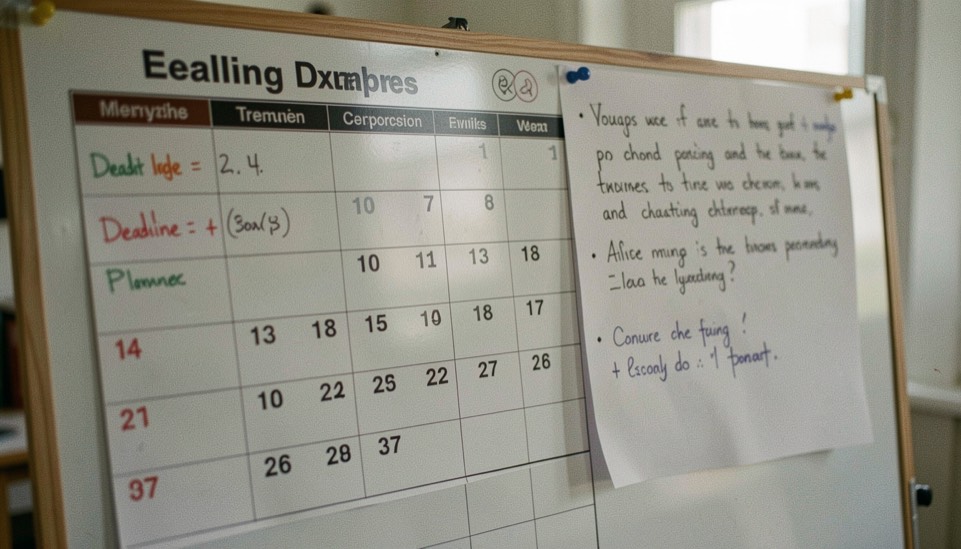
Premiere requirements, runtime limits and completion dates can change the order of a submission plan. Keep the rule, source page and date checked in one table. The table is simple, but it prevents a late fee from buying an application the festival cannot accept.
03
Budget the conversation
Submission cost is only one line. Include deliverables, captions, travel possibilities and the time needed to answer requests. A smaller, well-supported shortlist gives the film more chances to arrive ready and creates a clearer basis for follow-up.

04
Carry the note into the next day
The value of a production note is its second use. Keep the decision, the reason for it and the signal that would make you change it. That short record gives the next person a way to repeat the useful part without repeating every mistake.